
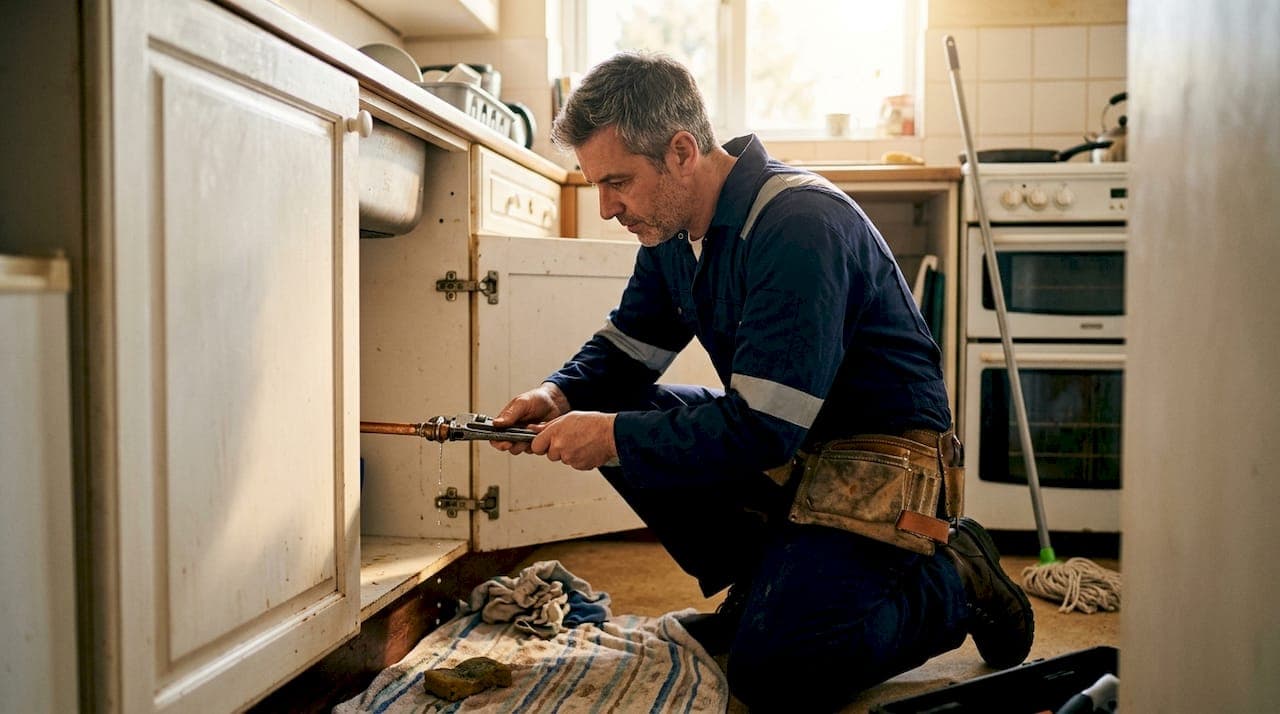
Many homeowners assume emergency plumbing is reserved for scenes of chaos: water cascading through ceilings or a flooded kitchen floor. The truth is far broader and, frankly, more useful to know before disaster strikes. Emergency plumbing covers dozens of situations where delay makes everything worse, from a broken boiler on a winter night to a blocked toilet that puts your household out of action. Understanding what counts as a genuine emergency, how to respond, and how to find trustworthy local help can save you hundreds of pounds and enormous stress. This guide covers everything you need to know.
Table of Contents
- Defining emergency plumbing: More than just leaks and floods
- Common home plumbing emergencies and what to do
- How emergency plumbing services work: What to expect
- Choosing the right emergency plumber for your needs
- Why thinking ahead is your best insurance against disaster
- Fast, local, trusted: Get emergency plumbing help now
- Frequently asked questions
Key Takeaways
| Point | Details |
|---|---|
| Know what counts | Emergency plumbing covers more than floods; know when to call for help. |
| Act quickly | Delays in emergencies can greatly increase home damage and costs. |
| Vet your plumber | Check for local reputation, credentials, and a no fix, no fee promise. |
| Prepare ahead | Store local plumbers’ contact details and learn your property’s water shut-off. |
Defining emergency plumbing: More than just leaks and floods
The phrase "emergency plumbing" gets thrown around loosely, but it has a real meaning. In short, it refers to any plumbing fault that poses an immediate risk to your property, health, or daily functioning. As one emergency plumbing examples resource makes clear, emergency plumbing covers a wide variety of urgent problems, not just major floods. That is a crucial distinction worth repeating.
So what actually qualifies? The list is longer than most people expect:
- Burst pipes: Can release hundreds of litres of water within minutes, damaging walls, ceilings, flooring, and electrics
- Severely blocked drains: If wastewater cannot escape, it backs up and creates health hazards
- Broken boilers or no hot water: Particularly dangerous for vulnerable residents in cold weather
- Gas leaks associated with plumbing: Require immediate action and evacuation
- Overflowing or completely blocked toilets: Unusable facilities in a single-toilet home are a real emergency
- Major water leaks behind walls: Hidden moisture causes structural damage and mould growth
Delayed action on any of these is costly. A small pipe joint failure can go from a manageable drip to a ruined floor within hours. Which? guidance on emergencies confirms that acting fast is the single biggest factor in limiting damage and repair bills.
Genuine emergency plumbers operate around the clock precisely because plumbing faults do not respect office hours. A 2am boiler failure in January is not something that can wait until Monday morning. Services built for frequent plumbing emergencies are staffed and equipped to respond at any hour.
Pro Tip: If you are unsure whether your situation is a genuine emergency, apply this simple test. Ask yourself: "If I leave this for 12 hours, will the damage be significantly worse?" If the answer is yes, call an emergency plumber now.
Common home plumbing emergencies and what to do
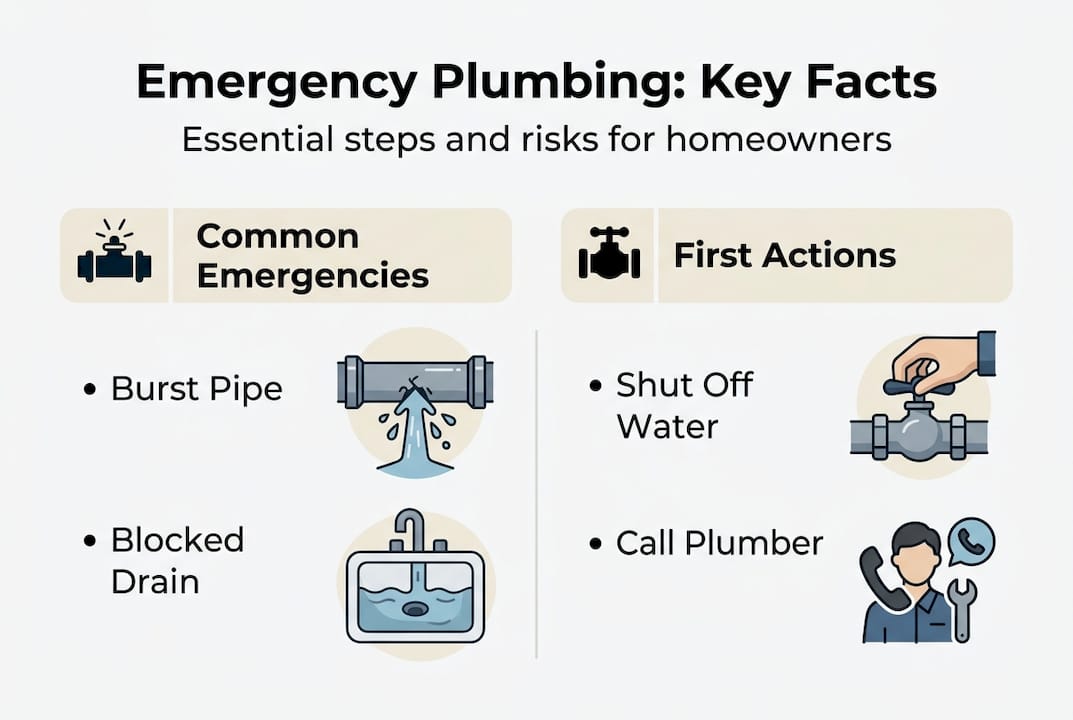
Knowing that emergencies are broad is one thing. Knowing which specific situations demand immediate action and what you should do first is where knowledge really pays off. Burst pipes, blocked toilets, and water leaks are among the most common emergencies homeowners face.
Here are the five most frequent home plumbing emergencies and the immediate steps to take:
- Burst pipe: Turn off the stopcock (your main water supply valve, usually under the kitchen sink or near the water meter) immediately. Open taps to drain remaining pressure. Call an emergency plumber.
- Severely blocked or overflowing toilet: Stop flushing. Do not use chemical drain cleaners as a first response. Call for local emergency plumbing help if plunging fails.
- Significant water leak: Locate and turn off the nearest isolation valve or the main stopcock. Protect electrics by switching off the fuse board if water is near wiring.
- No hot water or heating (broken boiler): Check the thermostat, pressure gauge, and pilot light before calling. If nothing obvious is wrong, contact an emergency plumber, especially if children or elderly residents are in the home.
- Blocked or backing-up drains: Avoid using sinks or showers until resolved, as backup can cause further contamination. Emergency repairs rules from Citizens Advice clarify your rights when urgent repair is needed.
| Emergency | Urgency level | Main risk | First action |
|---|---|---|---|
| Burst pipe | Critical | Structural water damage | Turn off stopcock |
| Blocked toilet | High | Health and hygiene | Stop flushing, call plumber |
| Water leak | High | Damage to electrics and structure | Isolate water supply |
| No heating/boiler | Medium to High | Vulnerable residents at risk | Check basics, call plumber |
| Blocked drain | Medium | Health hazard, backup flooding | Avoid use, call plumber |
Pro Tip: Save your emergency plumber's number in your phone today, before you ever need it. When water is pouring through your kitchen ceiling, you do not want to be searching the internet in a panic.
How emergency plumbing services work: What to expect
Once you have decided to call, knowing what happens next removes a lot of anxiety from the situation. Professional emergency plumbers often operate locally, offering 24/7 call-outs and transparent pricing, which means you should expect clear communication from the very first phone call.
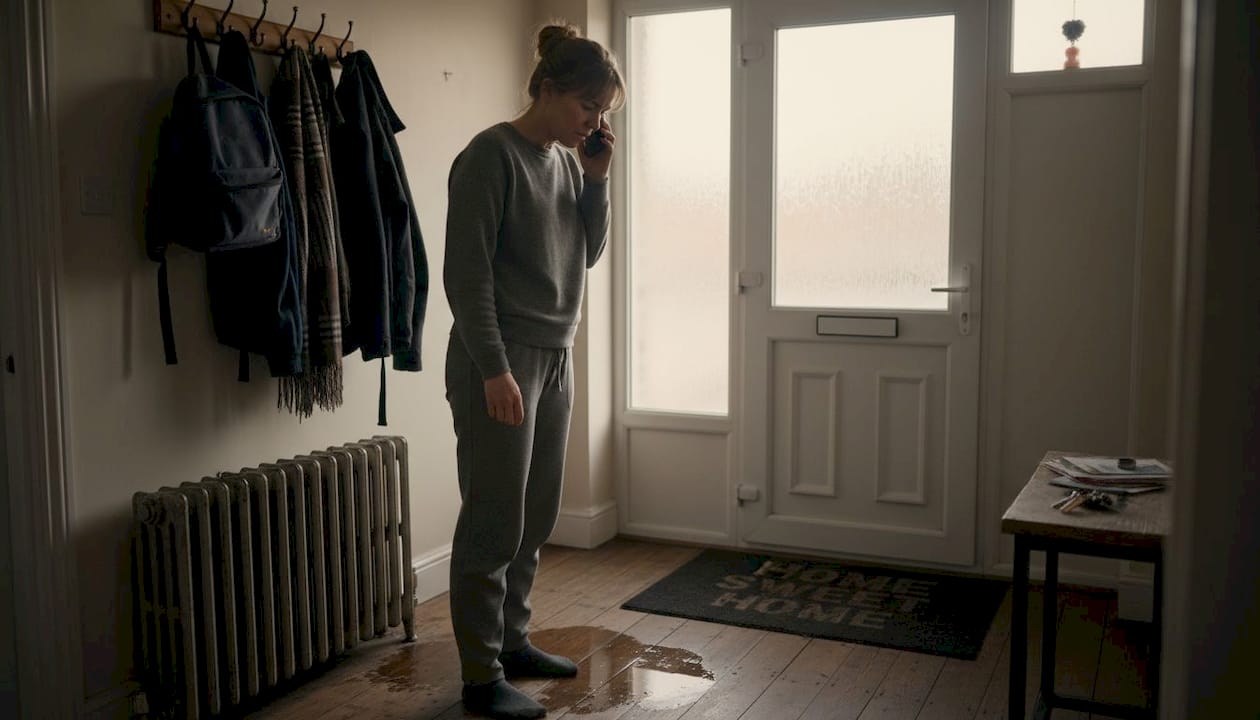
When you ring, be ready to describe the problem clearly. Where is the fault? What has already happened? Have you turned off the water? This information allows the plumber to arrive prepared with the right tools and parts, rather than making a second trip.
Reputable services also operate on a no fix, no fee basis, which provides real peace of mind: if the fault cannot be resolved, you are not charged. This is an important policy to confirm before work begins. Always ask about it upfront, alongside the pricing structure and any call-out terms.
You can also find reputable plumbers reviewed by verified customers, which helps you make a more informed choice even in a hurry.
Here is what a transparent emergency plumbing service should look like at a glance:
| Feature | Why it matters | |---|---|---| | 24/7 availability | Emergencies do not follow business hours | | Local base | Faster response, knowledge of area | | No call-out charge | No financial risk in calling for help | | No fix, no fee | You pay only for results | | Transparent pricing | No surprise invoices after the work | | Fully insured | Protects your property if anything goes wrong |
On arrival, a professional emergency plumber should:
- Introduce themselves and confirm the issue before starting work
- Assess the fault and give a clear explanation of the problem
- Provide a quote or confirm the pricing structure before proceeding
- Work efficiently, tidily, and with respect for your home
- Explain what was done and advise on preventing a recurrence
Choosing the right emergency plumber for your needs
Not every plumber advertising emergency services is the right choice. During a stressful situation, it is easy to call the first number that appears online and end up with someone who overcharges or does poor work. Knowing how to find a trusted plumber is genuinely worth learning before you ever need one.
Here are the credentials every reputable emergency plumber should hold:
- Gas Safe registration: Legally required in the UK for anyone working on gas appliances or boilers
- Public liability insurance: Protects you if damage occurs during the work
- Trade body membership: Look for organisations such as the Chartered Institute of Plumbing and Heating Engineering (CIPHE)
- Verifiable reviews: Check Google, Checkatrade, or Trustpilot for genuine customer feedback
- Clear pricing policy: Should include details of call-out fees (or lack thereof) and the no fix, no fee guarantee
Scams targeting homeowners in emergencies are unfortunately real. Choosing a reputable tradesperson with TrustMark accreditation adds another layer of confidence. Watch out for anyone who demands full cash payment upfront, refuses to provide a written quote, or cannot produce credentials when asked.
"Checking reviews, qualifications, and insurance status before calling reduces your risk significantly," says the Emergency-Plumber-Frimley team. It takes two minutes and can save you from a very costly mistake.
Local reputation matters enormously in this trade. A plumber who has built their business through word of mouth in your area has far more to lose from poor service than a national call centre sending out subcontractors. Ask neighbours, check local forums, and look for businesses that have been established in your community for years.
Pro Tip: Before any work starts, confirm in writing (even a text message) that the job is on a no fix, no fee basis and that pricing is agreed. This single step protects you from almost every common dispute.
For extra assurance, a trusted 24/7 plumber with a long trading history in your area is almost always the safer choice over an unfamiliar national company.
Why thinking ahead is your best insurance against disaster
Here is an uncomfortable truth that most plumbing articles skip over: the most expensive emergencies are not the sudden ones. They are the ones where a homeowner was caught completely unprepared. No number saved. Stopcock location unknown. No idea who to call or whether to trust the first result that appeared.
We have seen it countless times. A pipe joint fails at 11pm and a family spends two hours searching online while water damages a ground floor ceiling. If they had spent five minutes a month earlier locating their stopcock and saving a reliable number, the outcome would have been entirely different.
Investing in regular plumbing maintenance also reduces how often emergencies arise in the first place. A small, routine inspection can catch a corroding joint or a struggling boiler component before it becomes a crisis.
Knowing your home's plumbing basics, including where your stopcock is, whether you have a water meter, and how old your boiler is, puts you in control rather than at the mercy of whatever happens next.
Fast, local, trusted: Get emergency plumbing help now
If you have reached this point, you now know how to spot a genuine emergency, what to do first, and how to choose a plumber you can trust. The next step is simple: make sure help is within reach before you ever need it.
Same Day Plumber offers emergency plumber in Reading and across surrounding areas, with 24/7 availability, no call-out charge, and a genuine no fix, no fee promise. We are local, fast, and have been trusted by homeowners since 1959. Whether you have an urgent problem right now or simply want peace of mind for the future, our Reading plumbing services are ready when you are. Call us, tell us what is happening, and let us take it from there.
Frequently asked questions
What qualifies as a plumbing emergency?
Any issue that risks damage to your property, health, or basic functioning, such as major leaks, loss of water, or blocked drains, qualifies as a plumbing emergency. A range of urgent issues threatening property safety are all covered under emergency plumbing.
How fast should an emergency plumber attend?
Most reputable emergency plumbers offer 24/7 service and aim for a same-day or within-the-hour response depending on your location. Local emergency plumbers are typically fastest because they are already based nearby.
What is a 'no fix, no fee' policy?
This means you only pay if the plumber successfully resolves your problem. A no fix, no fee policy offers homeowners genuine confidence that the plumber is motivated to actually fix the fault.
Are emergency plumbing services more expensive?
Emergency call-outs do tend to cost more than routine bookings, but transparent pricing and no call-out fees from reputable services help you understand and budget for costs before work begins.
How do I check if a plumber is qualified?
Ask to see their Gas Safe card if boiler work is involved, check online reviews on trusted platforms, and confirm membership with a recognised trade body. Qualifications and trade body memberships verify that a plumber meets professional standards.
Recommended
- Emergency-Plumber-Reading
- Emergency-Plumber-Newbury
- Same Day Plumber in Basingstoke: Your Reliable 24/7 Plumbers
- Plumbers available during Covid 19 the lock down
- Emergency Plumbing Explained: Fast Solutions for Homeowners
- Emergency plumbing explained: fast solutions for urgent issues | Proper Plumbing GTA Blog