
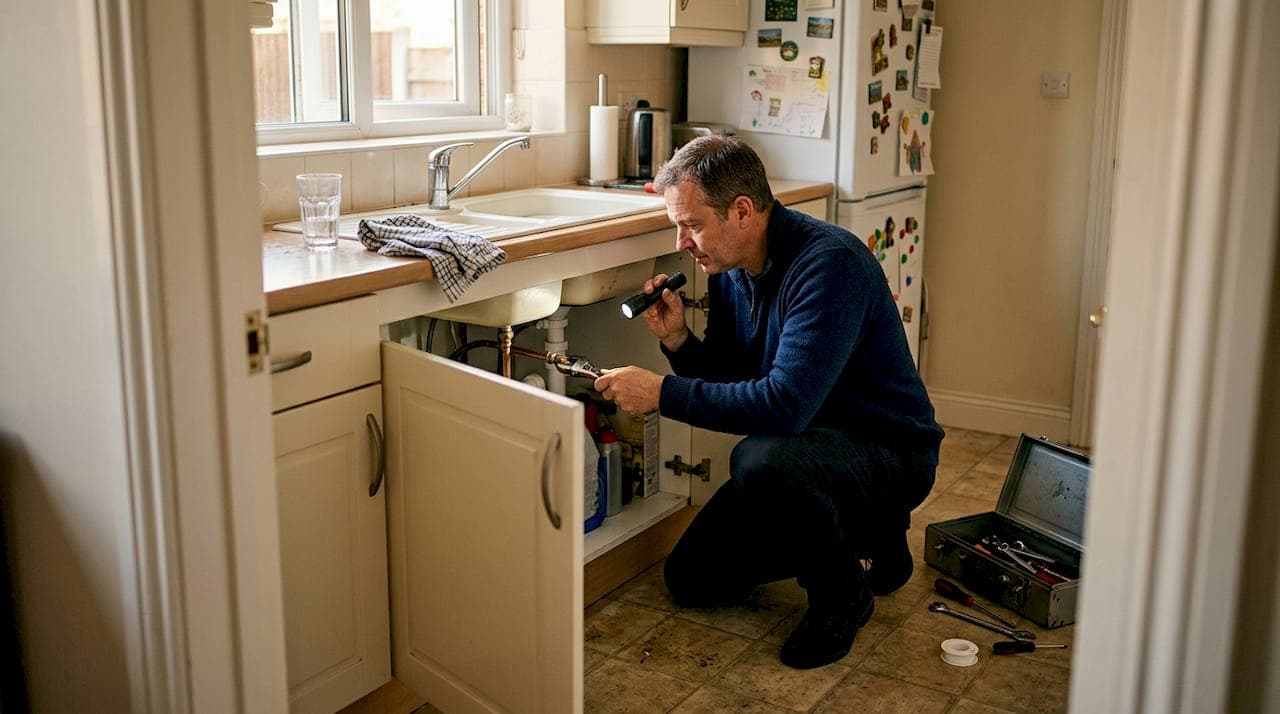
Most homeowners only think about their plumbing when something goes wrong. A burst pipe at midnight, a boiler that gives up in January, a drain that backs up the day before guests arrive. But preventive maintenance costs just £200 to £500 per year, while emergencies can run to £3,000 or far beyond. That gap is enormous, and it is entirely avoidable. This guide explains what planned plumbing work actually means, what it covers, how to schedule it, and why making it a regular habit is one of the smartest decisions you can make as a homeowner.
Table of Contents
- Understanding planned plumbing work
- Key benefits of scheduled plumbing maintenance
- What to expect during planned plumbing work
- How to schedule and plan plumbing work for your home
- Why planned plumbing is the homeowner's secret weapon — our perspective
- Ready to take control of your home's plumbing?
- Frequently asked questions
Key Takeaways
| Point | Details |
|---|---|
| Proactive saves money | Scheduled plumbing is far less expensive than dealing with sudden emergencies. |
| Regular checks prevent damage | Routine inspections catch issues before they escalate, protecting your home. |
| Easy to fit into your routine | Planned plumbing only requires annual attention and helps with future-proofing your system. |
| Boosts home value | Up-to-date plumbing and compliance can increase your property’s overall worth and appeal. |
Understanding planned plumbing work
Now that you know how much emergencies can cost, let us clarify what planned plumbing work actually means. In simple terms, it is any plumbing work that is arranged in advance rather than carried out in response to a crisis. You choose the timing, you set the scope, and you stay in control.
Planned plumbing involves preventive maintenance, inspections, and upgrades designed to keep your system reliable and compliant with current standards. It is the difference between a plumber visiting your home on your terms versus scrambling to find someone available at 11pm on a bank holiday.
Through our proactive plumbing services, we see the full range of what scheduled work covers. It is broader than most homeowners realise.
Key activities included in planned plumbing work:
- Annual or biannual full system inspections
- Checking pipes for early signs of corrosion or scale build-up
- Draining and flushing hot water tanks to remove sediment
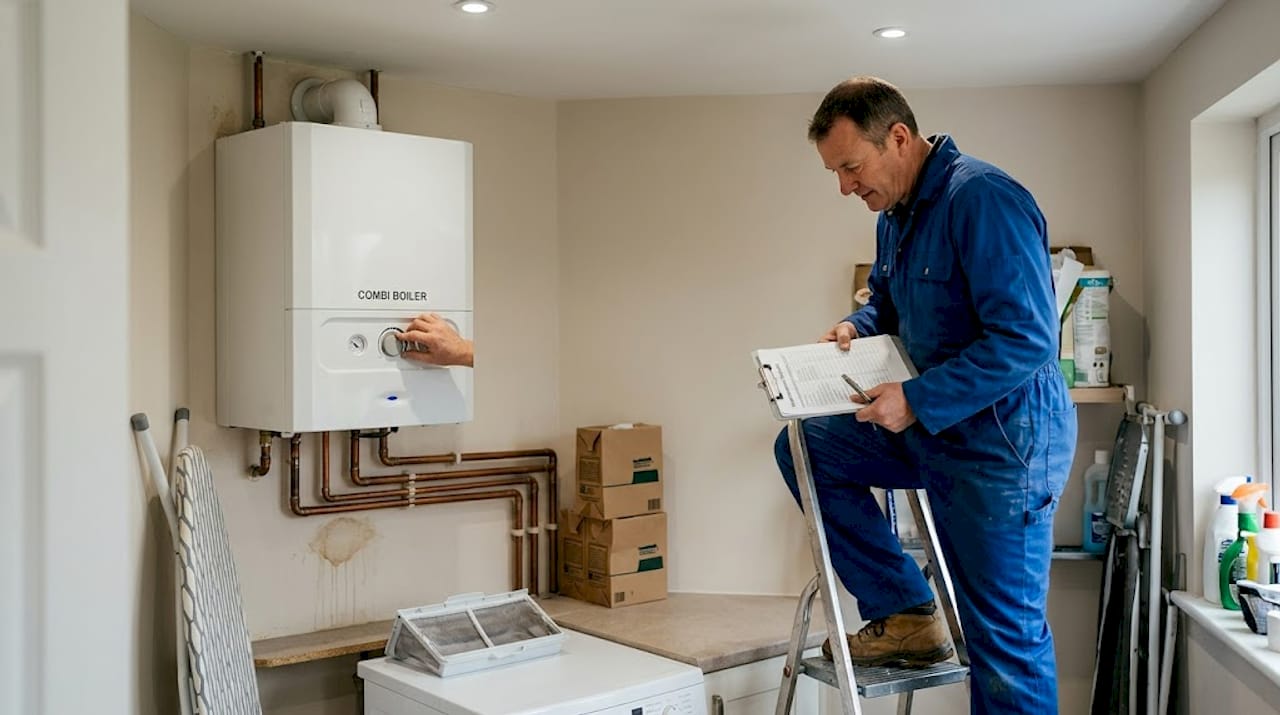
- Inspecting and servicing boilers and water heaters
- Updating old or substandard pipework to meet current regulations
- Testing water pressure and flow rates
- Inspecting seals, joints, and connections for slow leaks
- Clearing partial blockages before they become full blockages
Each of these tasks sounds minor in isolation. Together, they form a maintenance routine that extends the lifespan of your plumbing system significantly. Copper pipes, for instance, can last 50 years or more when maintained correctly. Neglected, they can fail in half that time.
There is also a compliance angle worth noting. Older homes in particular may have pipework or fittings that no longer meet current building regulations. Scheduled upgrades keep your system legal and can even strengthen your position with home insurers, some of whom offer better terms for properties with documented maintenance records.
'Preventive plumbing typically saves thousands over emergencies. The maths are not even close.'
Putting planned work into your home maintenance routine is not about being overly cautious. It is about being practical. Your boiler, your pipes, your drains — they all wear over time. Catching that wear early costs very little. Ignoring it until failure costs a great deal.
Key benefits of scheduled plumbing maintenance
With a clear understanding of what planned plumbing involves, let us examine the benefits you can expect by scheduling it regularly.
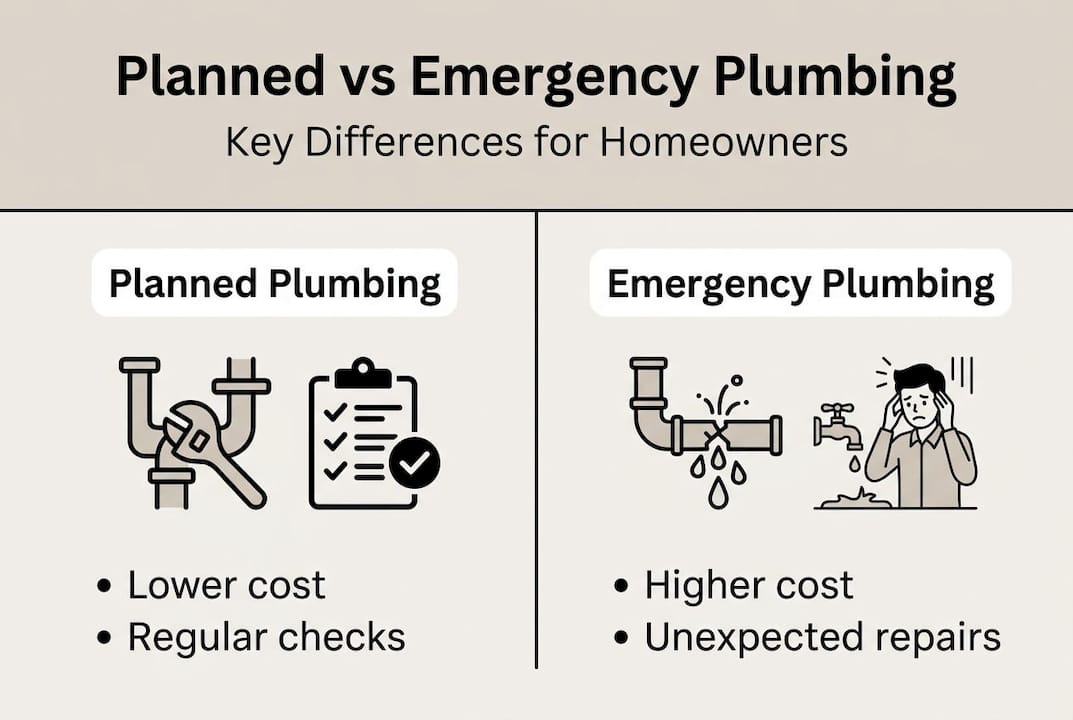
The financial case is the most obvious. Preventive maintenance costs £200 to £500 per year on average, compared to £3,000 to £10,000 for major emergency repairs. That is not a small difference. Planned plumbing typically costs less than 10% of what a serious emergency will set you back.
| Factor | Planned plumbing | Emergency plumbing |
|---|---|---|
| Typical cost | £200 to £500/year | £3,000 to £10,000+ |
| Timing | Chosen by you | Forced upon you |
| Disruption | Minimal | High |
| Stress level | Low | Very high |
| Peace of mind | Excellent | None |
| Insurance impact | Positive | Potentially negative |
Beyond the money, the stress comparison matters enormously. A emergency plumbing costs situation forces you to act fast, often with limited options and little time to compare providers. Scheduled work lets you research, plan, and budget properly.
Top benefits of reliable plumbing maintenance:
- Cost control: Spread small, predictable costs rather than absorbing sudden large ones
- Fewer disruptions: Work happens on your schedule, not in a crisis
- Regulatory compliance: Stay current with building standards and avoid insurance complications
- Higher home value: Well-maintained systems are a genuine selling point
- Extended system lifespan: Regular servicing keeps components working longer
- Early problem detection: Catch small issues before they become expensive ones
There is also a quieter benefit that does not appear on any spreadsheet: knowing your home is in good shape. That kind of confidence is worth something real, especially heading into winter or a period when you will be away from the property.
What to expect during planned plumbing work
Understanding the advantages is vital, but what does scheduled plumbing actually look like in practice? Knowing the process removes any uncertainty and helps you prepare properly.
Proactive scheduling is consistently more effective than reactive repair, and that holds true partly because the plumber arrives with a clear brief rather than an urgent problem to solve under pressure. The work is methodical, thorough, and far less disruptive.
Here is a typical sequence for a standard maintenance appointment:
- Initial walkthrough: The plumber reviews the property and notes any visible concerns you have flagged
- Pressure and flow testing: Water pressure is measured at key points to identify weaknesses
- Visual pipe inspection: Exposed pipework is checked for corrosion, leaks, or damage
- Boiler and water heater check: Servicing, safety checks, and efficiency testing
- Drain inspection: Partial blockages are identified and cleared where needed
- Joints and seals review: All accessible connections are checked for slow weeping or wear
- Written report: The plumber documents findings, work completed, and any recommendations
As a homeowner, your role is straightforward. Make sure the plumber has access to all relevant areas, including the loft, airing cupboard, and under-sink spaces. Keep a note of any issues you have noticed, even minor ones like a tap that drips occasionally or a slow-draining bath. These observations are genuinely useful.
For 24/7 home repairs and scheduled visits alike, preparation makes the appointment more productive and the outcome more reliable.
Pro Tip: Ask your plumber for a written checklist after each visit. Over time, this creates a health record for your plumbing system and makes it far easier to spot patterns or deterioration before they become serious.
How to schedule and plan plumbing work for your home
Once you know what to expect, here is how you can make proactive plumbing work a regular part of maintaining your property.
Start by assessing what you already have. How old is your boiler? When were the pipes last inspected? Do you have any known slow drains or pressure issues? Honest answers to these questions shape your starting point.
Next, match your tasks to a sensible frequency. Not everything needs doing every month, but some checks are worth building into a seasonal routine.
| Task | Frequency |
|---|---|
| Check for visible leaks around taps and pipes | Monthly |
| Test water pressure | Every 3 months |
| Clear slow drains | As needed, at least seasonally |
| Flush hot water tank | Annually |
| Full system inspection | Annually |
| Boiler service | Annually, before winter |
| Pipe lagging check | Before winter |
| Full pipework review and upgrade assessment | Every 5 to 10 years |
Preventive maintenance reduces emergency risks and supports the long-term health of your system. Sticking to a schedule like this makes that benefit consistent rather than occasional.
When choosing a plumber, look for someone who is Gas Safe registered if the work involves gas, and who is a member of a recognised trade body such as the Chartered Institute of Plumbing and Heating Engineering (CIPHE). A trusted local plumber should be transparent about pricing, provide written quotes, and be happy to answer questions before starting.
Questions to ask a plumber before scheduling:
- What does your standard maintenance visit include?
- Are you Gas Safe registered and CIPHE accredited?
- Will you provide a written report after each visit?
- How do you handle issues discovered during the inspection?
- Do you offer a maintenance plan or annual service agreement?
Pro Tip: Build plumbing checks into your home maintenance calendar alongside other annual tasks like gutter clearing or boiler servicing. Treating it as a routine appointment rather than an optional extra is the mindset shift that protects your home long term.
Why planned plumbing is the homeowner's secret weapon — our perspective
Armed with practical steps, let us consider why planned plumbing should be every homeowner's top priority.
In our experience, the vast majority of plumbing disasters we attend were preventable. A slow leak that had been ignored for months. A boiler that had not been serviced in four years. Pipework that had been showing early corrosion for a long time before it finally failed. The 'if it isn't broken, don't fix it' mindset is one of the most expensive habits a homeowner can have.
Here is the counter-intuitive truth: the money you think you are saving by skipping annual maintenance is not being saved at all. It is simply being deferred, and it will arrive with interest when something eventually fails. Small, regular investment in your everyday plumbing issues and system health consistently outperforms the false economy of waiting.
Planned plumbing also gives you something that emergency repairs never can: choice. You choose the plumber, the timing, and the scope. That control is worth protecting.
Ready to take control of your home's plumbing?
If you are ready to make the switch from reactive to proactive plumbing care, here is how to get started.
Booking a planned maintenance visit is simpler than most homeowners expect. A single call or online enquiry is all it takes to get a professional assessment of your system and a clear plan going forward.

At Same Day Plumber, we cover both professional plumbing help for scheduled maintenance and same day and emergency plumbing when the unexpected happens. There is no call out charge, no fix no fee, and we are available 24/7. Whether you want to set up an annual maintenance plan or simply get a professional eye on your system for the first time, we are here to help you stay ahead of problems rather than chasing them.
Frequently asked questions
What does planned plumbing work involve?
Planned plumbing involves preventive maintenance, inspections, and upgrades to keep your system safe, efficient, and compliant with current standards. It covers everything from pipe checks and boiler servicing to drain clearing and pressure testing.
How often should I schedule plumbing maintenance?
Most experts recommend a full inspection annually, with additional checks before winter and after any significant weather events such as a hard freeze or prolonged heavy rain.
What are the cost savings of planned plumbing work?
Annual preventive maintenance typically costs between £200 and £500, while emergencies can cost £3,000 to £10,000 or more. Scheduling regular work is consistently the more affordable approach over any five-year period.
What questions should I ask a plumber about planned work?
Ask about their maintenance checklist, relevant accreditations such as Gas Safe or CIPHE membership, and what specific problems they look for during routine visits. A good plumber will answer all of these confidently and clearly.