
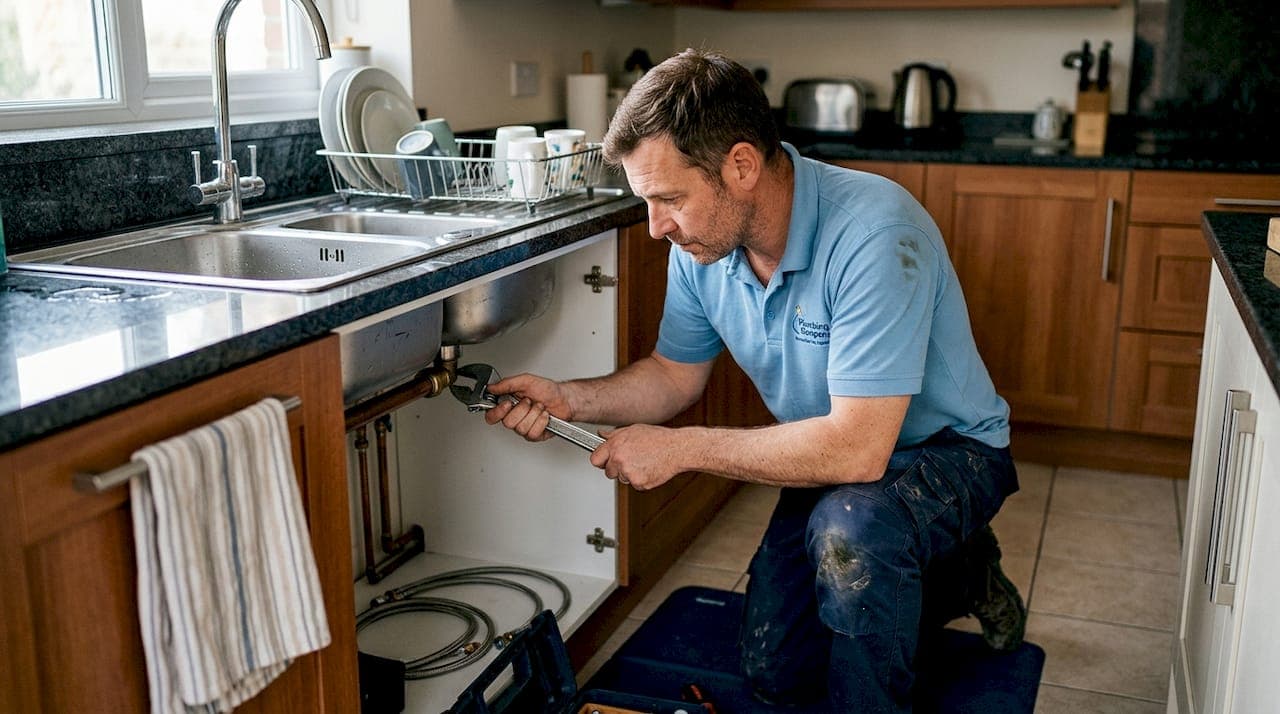
Mould can begin growing within 24-48 hours of a plumbing leak, which means every minute you wait is a minute closer to a far costlier problem. A small drip under the sink or a slowly weeping joint might not feel urgent, but water has a way of finding every gap, every cavity, and every weakness in your home's structure. This guide explains precisely why fast plumbing service is not just convenient but essential. We'll cover the real risks of delay, what genuinely fast service looks like, and how routine maintenance sits alongside emergency action to protect your home and your wallet.
Table of Contents
- The risks of delayed plumbing repairs
- How fast service prevents escalation and saves money
- What qualifies as 'fast' plumbing service?
- Routine maintenance versus emergency intervention
- Our perspective: the real cost of delays is peace of mind
- Fast, local plumbing when every minute counts
- Frequently asked questions
Key Takeaways
| Point | Details |
|---|---|
| Faster response limits damage | Quick plumbing fixes prevent mould, expensive repairs, and major disruptions to your home. |
| Delays cost more long-term | Waiting to call a plumber increases remediation expenses and insurance headaches. |
| Know what 'fast' means | A true emergency plumbing service should offer arrival in under 120 minutes, ideally under 90. |
| Maintenance prevents chaos | Routine plumbing checks can stop emergencies before they become urgent and costly. |
The risks of delayed plumbing repairs
With the core urgency established, let's closely examine the consequences of waiting. Water damage does not pause politely while you decide whether to call someone. Within minutes of a pipe bursting, water is soaking into floorboards, saturating plasterwork, and seeping behind fitted units. Within hours, structural materials begin to weaken, and the repair bill climbs sharply.
The health risk is equally serious. Mould growth starts within 24 to 48 hours of moisture exposure, and once it takes hold in wall cavities or under flooring, remediation becomes a specialist job. Mould spores affect respiratory health, especially in children and older adults, and the process of removing it thoroughly is both disruptive and expensive.
Then there is the financial impact. Non-weather water damage is the second most common home insurance claim, with an average cost of over £11,000. Insurance companies scrutinise these claims carefully. If there is evidence that damage was worsened by delay or neglect, your claim may be reduced or refused entirely.
The key risks stack up fast:
- Structural damage to floors, walls, and ceilings from prolonged water exposure
- Mould and damp that spread invisibly inside walls and beneath flooring
- Electrical hazards if water reaches sockets, wiring, or consumer units
- Contamination risks if a waste pipe is involved rather than clean supply water
- Increased insurance premiums following a significant water damage claim
- Displacement costs if a room or whole property becomes temporarily unliveable
"The longer water sits unchecked in a property, the more categories of damage you are dealing with simultaneously. What starts as a plumbing fix quickly becomes a building, decorating, and health problem."
Checking the emergency plumber response benchmarks available in your area before an emergency happens is one of the smartest things you can do as a homeowner. Knowing who to call and how fast they can arrive is preparation, not paranoia.
How fast service prevents escalation and saves money
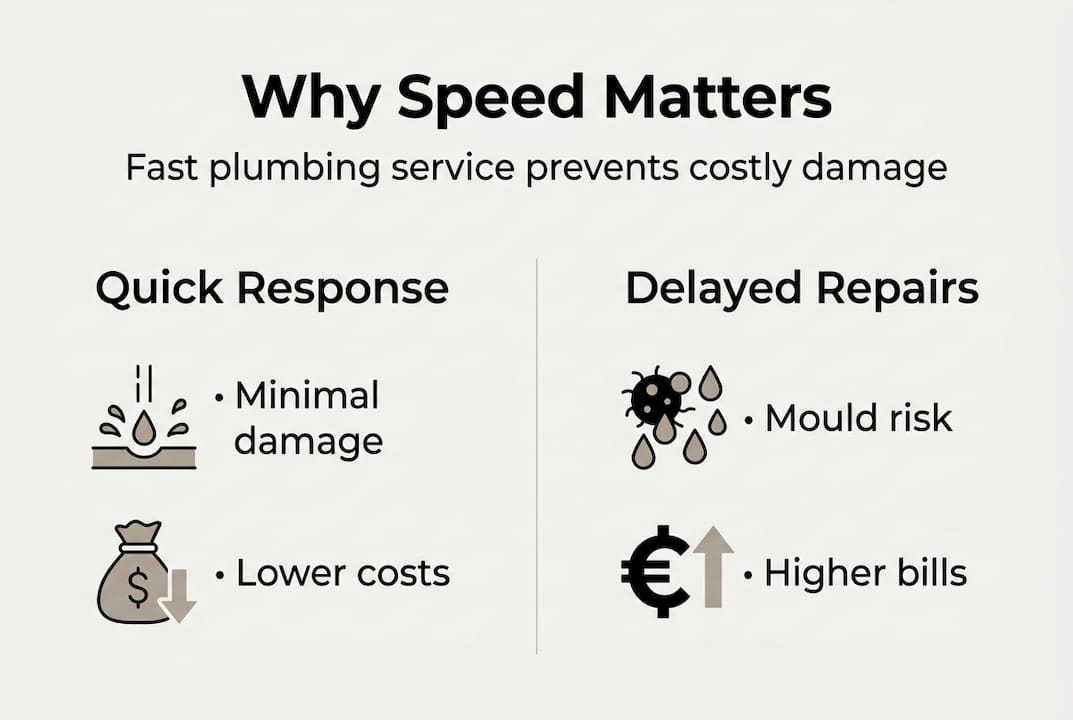
Having grasped the risks, we'll now see why speed truly matters from a cost and outcome perspective. When a plumber arrives within the hour, they can isolate the water source, assess the full extent of the leak, and begin drying and damage control before secondary problems set in. That single hour of difference can separate a £300 repair from a £3,000 restoration project.
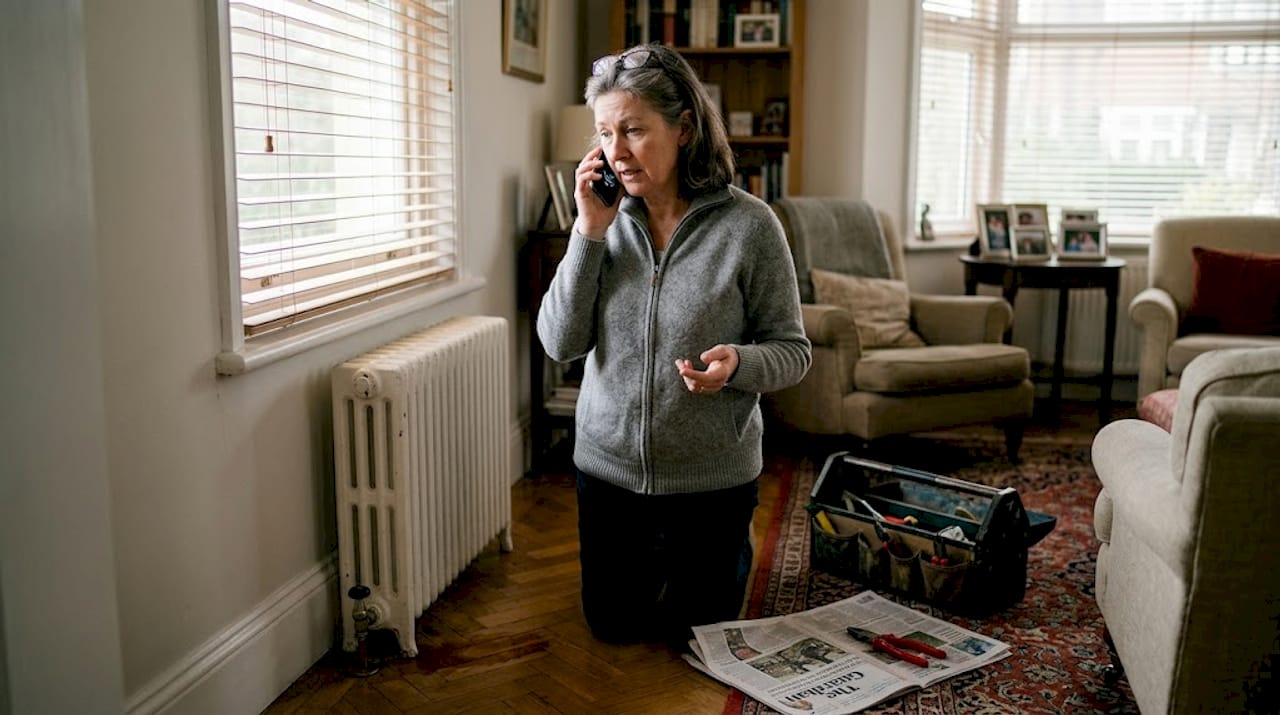
Research confirms this. Delays increase repair costs by up to 25%, and that figure compounds with every additional hour. A straightforward burst pipe that is caught quickly might involve replacing a short section of pipe and drying out a small area. Left overnight, the same incident could require replacing floorboards, replastering walls, and commissioning a mould survey.
Here is how immediate and delayed responses compare across common risk factors:
| Risk factor | Immediate response (within 1 hour) | Delayed response (4+ hours) |
|---|---|---|
| Mould risk | Minimal, surface drying possible | High, remediation likely needed |
| Structural damage | Contained to immediate area | Spreads to floors, walls, ceilings |
| Repair cost | Lower, focused fix | Significantly higher, multiple trades |
| Insurance position | Strong, prompt action evidenced | Weakened, possible claim reduction |
| Health impact | Low | Elevated, especially for vulnerable residents |
To make this concrete: imagine a slow leak under a bathroom basin that is noticed on a Friday evening. Waiting until Monday means 60 or more hours of water quietly saturating the cabinet below, the floor substrate, and potentially the ceiling of the room beneath. The plumbing fix itself may cost £150. The mould remediation and floor repair that follows could add £700 or more on top.
Finding fast plumbing response in Bracknell or any nearby area is far simpler than most homeowners realise, and the cost of a same-day call-out is almost always dwarfed by the alternative.
Pro Tip: While waiting for your plumber, turn off the mains water stop tap, which is usually under the kitchen sink or where the water supply enters the property. This one action can dramatically limit the spread of water and the eventual repair bill.
What qualifies as 'fast' plumbing service?
Understanding savings is only helpful if you know what counts as truly fast service. Let's set the record straight on what you should actually expect.
For emergency plumbing in the UK, industry benchmarks sit at 30 to 120 minutes for arrival, with major incidents like burst pipes typically targeted at 45 to 90 minutes. Modern dispatch software, used by professional services, can cut response times by up to 50% by automatically identifying the nearest available plumber and routing them efficiently.
There is an important distinction between emergency callout and standard booking. Emergency callouts are prioritised dispatches for active water damage, total loss of hot water, blocked drains causing overflow, or gas-related concerns. Standard bookings are scheduled appointments for planned maintenance or non-urgent repairs. Many homeowners make the mistake of booking standard appointments for problems that genuinely qualify as emergencies, costing themselves hours they cannot afford to lose.
Here is what separates a truly fast-response plumber from a standard service:
| Feature | Emergency service | Standard booking |
|---|---|---|
| Availability | 24/7 including weekends and bank holidays | Business hours only |
| Arrival target | 30 to 120 minutes | Same day to several days |
| Dispatch method | Automated, nearest available | Manual scheduling |
| Cost structure | Emergency rates apply | Standard rates |
To verify a plumber's actual response time before you need them, follow these steps:
- Ask directly: what is their average arrival time for emergencies in your postcode area?
- Check reviews specifically mentioning response speed, not just quality of work.
- Confirm they offer 24/7 availability, not just advertised coverage with limited actual hours.
- Ask whether they have a no-fix, no-fee policy so cost risk is reduced if diagnosis is complex.
- Understand their emergency callout standards before committing, including coverage over holidays.
Knowing the emergency plumbing service benchmarks in your region means you can hold providers accountable and choose wisely before a crisis forces your hand.
Routine maintenance versus emergency intervention
Fast response is essential, but prevention matters too. Here's how timing and maintenance strategies fit together for a well-protected home.
Regular plumbing checks can prevent the most expensive disasters. A qualified plumber can spot early signs of corrosion, worn seals, pressure irregularities, and slow-developing leaks before they become acute emergencies. Annual checks on your boiler, pipework, and drainage system are a modest investment compared to the cost of a flooded kitchen.
DIY fixes occupy a complicated middle ground. Tightening an accessible fitting or placing a temporary patch while waiting for professional help is sensible. But taking apart a pressurised pipe, attempting to clear a deep blockage with harsh chemicals, or tampering with boiler components can make the situation significantly worse. It can also complicate insurance claims if damage is found to have been worsened by non-professional intervention.
Pro Tip: Book a plumbing health check every 12 to 18 months, especially if your property is older or has not had any professional inspection in recent years. Early identification of weak joints or ageing pipework is far cheaper than emergency response.
Signs that always demand immediate professional help, regardless of time or day:
- Visible water pouring or dripping from pipes, ceilings, or walls
- Total loss of water pressure throughout the property
- Sewage smell or waste water backing up indoors
- Discoloured or foul-tasting water from taps
- Unexplained wet patches on walls, floors, or ceilings
- Banging, gurgling, or hissing from pipes with no obvious cause
Connecting preventative plumbing care with fast emergency access gives you a complete approach. Neither replaces the other. Together, they keep your home safe and your costs manageable.
Our perspective: the real cost of delays is peace of mind
All the facts show fast plumbing helps, but it is worth reflecting on what really matters beyond the numbers. In our experience, the worst outcomes almost always share one cause: a homeowner who saw the early signs and waited.
It rarely comes from ignorance. More often it comes from optimism, the quiet hope that it will sort itself out, or the reluctance to pay an emergency call-out fee on a Sunday evening. That hesitation is understandable, but it is usually the most expensive decision made in the whole episode.
What the insights from Reading emergencies repeatedly show us is that homeowners feel the greatest regret not over the plumbing itself, but over the disruption, anxiety, and upheaval that comes with a problem that spiralled out of control. A flooded kitchen is not just a repair bill. It is days of disruption, weeks of drying, and months of dealing with insurers.
Proactive action, not panic, is what responsible homeownership actually looks like. Acting quickly when something seems wrong is not overreacting. It is the single most effective thing you can do to protect your home, your family's comfort, and your own peace of mind.
Fast, local plumbing when every minute counts
Having understood the real difference fast action makes, here's how you can access help that fits the evidence.
Same Day Plumber provides rapid, reliable plumbing services with no call-out charge, a no-fix no-fee guarantee, and full 24/7 availability. Whether you are dealing with a burst pipe at midnight or a leak that has been quietly worsening over a weekend, fast dispatch is available across Reading and the surrounding area.

Understanding why fast response matters is the first step. Acting on that understanding is what protects your home. Our emergency plumbing services are designed to get the right plumber to your door quickly, minimise damage from the first minute, and give you one less thing to worry about when it matters most. Do not wait for a small problem to become an expensive one.
Frequently asked questions
How quickly should I call a plumber after spotting a leak?
Call a plumber as soon as you spot a leak. Mould growth and escalating costs begin within 24 to 48 hours, so acting within the hour gives you the best chance of keeping repairs simple and affordable.
What is considered a fast response for a plumber?
Industry benchmarks define fast as arriving within 30 to 120 minutes, with 45 to 90 minutes being the standard target for major emergencies like burst pipes.
Does home insurance cover water damage from slow plumbing repairs?
Most home insurance policies cover sudden and accidental damage, but delayed damage claims tied to neglect or late action can be reduced or refused outright by insurers.
Can DIY fixes replace a professional in an emergency?
DIY steps like turning off the mains can help in the short term, but professionals are essential for fully resolving leaks, protecting your insurance position, and preventing further damage.