
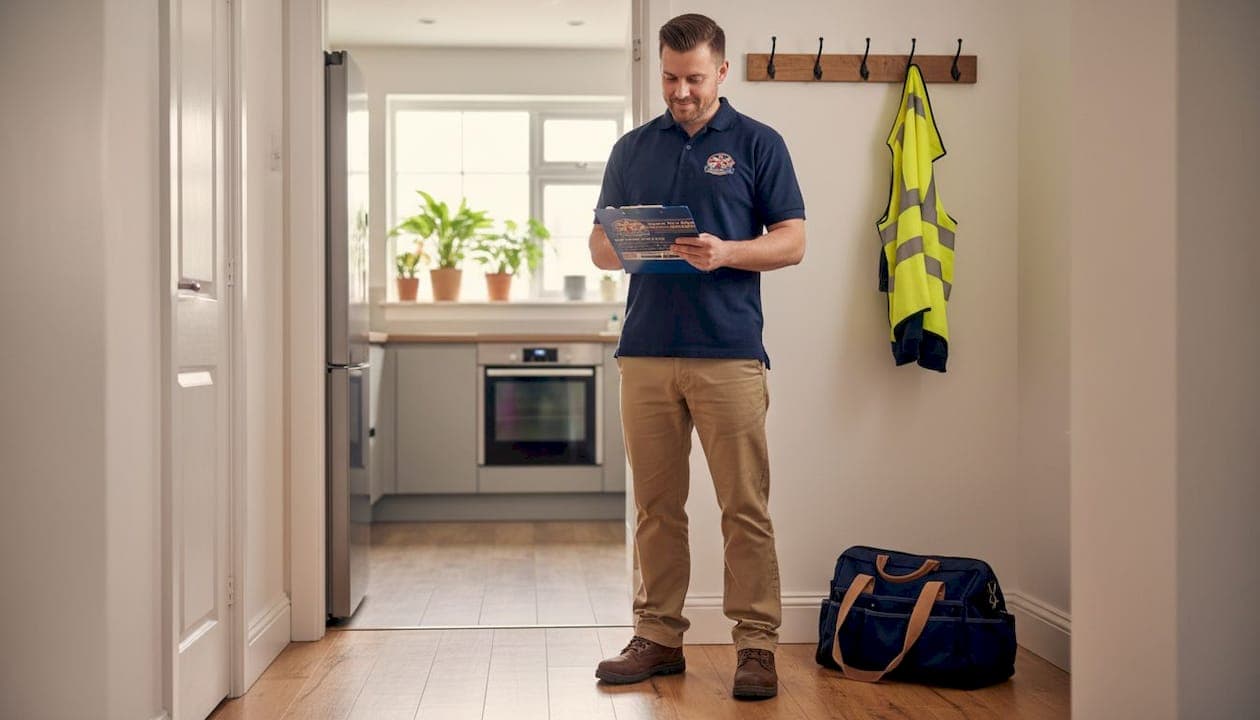
Hiring a plumber should be straightforward, but the moment you start seeing acronyms like ASSE, NASSCO, and ABPA on a tradesperson's website, it can feel like deciphering a foreign language. Worse, some homeowners simply skip the credential check altogether, trusting a friendly quote and a quick call, only to discover later that the work was substandard or even dangerous. Understanding which plumbing certifications and licences genuinely matter gives you real protection, helping you choose a professional who will do the job safely, legally, and properly the first time.
Table of Contents
- How to evaluate plumbing certifications: The essential criteria
- Top industry certifications explained: What they validate
- Do product certifications matter for homeowners?
- Comparison: Which certifications should you look for?
- The real value of plumbing certifications: An expert perspective
- Trusted plumbing solutions from certified professionals
- Frequently asked questions
Key Takeaways
| Point | Details |
|---|---|
| Licensing is non-negotiable | Always verify your plumber is licensed for regulated work in your area. |
| Specialist certifications reduce risk | For complex repairs, specialist credentials add a valuable layer of quality assurance. |
| Product approvals ensure material safety | Ask about certified fixtures and materials as well as your plumber’s credentials. |
| Check local recognition | A credential’s value depends on whether it’s accepted by local codes or utilities. |
| Experience plus credentials equals quality | Choose plumbers who are not only certified but have practical experience for the job at hand. |
How to evaluate plumbing certifications: The essential criteria
The first thing to understand is that licences and certifications are not the same thing, and confusing them is one of the most common mistakes homeowners make. A plumbing licence is a legal requirement issued by a governing authority. It confirms that a plumber has met the minimum standards set by law in their area. Without it, a plumber technically cannot carry out regulated work. Certification, on the other hand, is typically voluntary. It is issued by professional bodies and demonstrates that a plumber has developed specialist skills or met a higher standard in a specific area of plumbing.
Here is why the distinction matters practically. If you hire an unlicensed plumber, any work they carry out may be unenforceable under warranty, rejected by your insurer, or flagged during a property sale. For most homeowners, the most important credential to verify is actually state plumbing licensing differences rather than voluntary industry certifications. A plumber can hold a dozen impressive-looking certificates but if they are not properly licensed, those badges mean very little in a legal or insurance context.
When assessing any credential, look at these key factors:
- Validity: Is the licence or certification currently active and within its renewal date?
- Recognition: Is it issued by a body that local authorities, building inspectors, or insurers actually recognise?
- Relevance: Does the certification match your specific job? A sewer inspection credential matters little if you need a new boiler feed repaired.
- Scope: Does it cover the individual plumber, or just the company?
- Proof: Can the plumber provide documentation on the spot or direct you to a verifiable online register?
For straightforward repairs like fixing a leaking tap or replacing a radiator valve, a valid licence is your primary concern. But for complex or high-risk work such as gas-related plumbing, backflow prevention, or sewer inspection, specialist certification becomes far more relevant. Our homeowner's plumbing guide covers what to expect from different types of plumbing work, and our plumber hiring tips go deeper into the practical side of vetting tradespeople.
Pro Tip: Before any plumber starts work, ask to see their licence number and check it against the issuing authority's public register. A genuine professional will never hesitate to share this information.
Top industry certifications explained: What they validate
With a clear evaluation framework in mind, let us look at the leading plumbing certifications and what each one actually means for you as a homeowner.
ASSE International is one of the most widely recognised names in the plumbing and mechanical industry. ASSE International offers both product certification and personnel certification programmes, covering everything from general plumbing competency to specialist areas like backflow prevention and medical gas work. When a plumber holds an ASSE personnel certification, it means they have been assessed against a recognised standard in a specific discipline. It is a strong sign of professional commitment.

NASSCO focuses specifically on sewer and drain systems. Their NASSCO BSDI certification programme standardises the methodology for building sewer and drain inspection and cleaning, and the certification typically requires renewal every three years. If you are dealing with persistent drainage problems, a blocked sewer, or an older property with ageing pipework, asking whether your plumber holds a NASSCO credential is a genuinely useful question.
ABPA (the American Backflow Prevention Association) offers their ABPA Specialist Certification in cross-connection control. Cross-connection refers to a point where the drinking water supply might come into contact with a contaminant, and backflow is when water flows back the wrong way through a pipe. This is a genuine health hazard. If a plumber is working on irrigation systems, commercial kitchens, or any setup where backflow risk exists, ABPA certification is a serious mark of specialist competence.
HBI PACT (the Home Builders Institute's Plumbing Assessment and Certification for Tradespeople) is geared towards career entry. The HBI PACT Plumbing Certification is industry-recognised and uses assessment-based testing through NOCTI's platform. It is particularly relevant when you want to check that a newer tradesperson or apprentice working on your home has been evaluated against an objective standard.
Here is a quick reference table to keep things clear:
| Certification | Issuing body | Focus area | Renewal required |
|---|---|---|---|
| ASSE personnel certification | ASSE International | Broad plumbing and specialist disciplines | Varies by programme |
| BSDI certification | NASSCO | Sewer and drain inspection and cleaning | Every 3 years |
| Cross-Connection Control Specialist | ABPA | Backflow and cross-connection protection | Check with ABPA |
| PACT Plumbing Certification | HBI via NOCTI | Career entry and trainee assessment | Programme-specific |
For a broader overview of the services that typically require these credentials, our essential plumbing services article breaks down what different types of work involve and when to call in a specialist.
Do product certifications matter for homeowners?
Sometimes, certifications relate to the materials and fixtures being installed rather than the plumber carrying out the work. This is another dimension of quality that is easy to overlook but genuinely important.
Product certification means that a specific fixture, fitting, or component has been independently tested and verified to meet safety and performance standards. IAPMO R&T (the International Association of Plumbing and Mechanical Officials Research and Testing organisation) is one of the most established third-party product certification bodies. When a tap, valve, or pipe fitting carries an IAPMO R&T mark, it means it has been tested against recognised industry standards.
"A plumber can have outstanding credentials and still cut corners by using cheaper, non-certified parts. Always ask specifically what brand and certification the materials carry, not just who is fitting them."
Here is a comparison to clarify the two types:
| Aspect | Personnel certification | Product certification |
|---|---|---|
| What it covers | The plumber's skills and knowledge | The materials or fixtures used |
| Who issues it | Professional bodies like ASSE or NASSCO | Testing labs like IAPMO R&T |
| Who it protects | You, through competent workmanship | You, through safe and reliable materials |
| How to verify | Issuing body's register or website | Manufacturer's documentation or product label |
| When it matters most | All plumbing work | Installations, replacements, and upgrades |
Both dimensions matter for a quality outcome. A brilliantly skilled plumber using substandard, uncertified pipe fittings can still leave you with a failure six months later. Equally, certified materials installed poorly will not save you from a leak. The combination is what genuinely protects your home.
Pro Tip: When getting a quote, ask the plumber to specify the brand and certification status of any materials they intend to use. Reputable tradespeople will either know this immediately or will find out for you before the work begins. Our plumbing terms explained guide is a great resource if you want to feel more confident having these conversations.
Comparison: Which certifications should you look for?
To help you decide what to prioritise in different situations, here is a practical summary and step-by-step approach.
As a general rule, plumbing licences as the baseline and specialist certifications as the additional check for high-regulation or high-risk jobs is the right framework for most homeowners. The credibility of a specialist certification depends heavily on whether your local authority, water utility, or building code recognises it. Always start there.
| Job type | Licence essential? | Specialist certification to look for |
|---|---|---|
| Standard leak repair | Yes | None specifically required |
| Boiler feed or hot water work | Yes | ASSE specialist credential |
| Sewer or drain inspection | Yes | NASSCO BSDI |
| Backflow prevention installation | Yes | ABPA Cross-Connection Control |
| New fixture installation | Yes | Product certification for materials |
| Trainee or junior plumber | Yes | HBI PACT as assurance of baseline competency |
To check a plumber's credentials properly before they start work, follow these steps:
- Ask for their licence number and the name of the issuing authority before agreeing to any work.
- Look up the licence on the authority's public register to confirm it is active and covers the type of work you need.
- Request proof of any relevant certifications in writing, whether that is an ASSE card, NASSCO certificate, or ABPA credential.
- Cross-check the certification on the issuing body's website. All of the major bodies listed above have online registers or verification tools.
- Ask about the materials being used, and whether they carry a recognised product certification such as IAPMO R&T.
- Check if the certification is current. Certifications have expiry dates. A lapsed credential offers no assurance.
Understanding why professional plumbing matters is especially important when work needs to be done quickly under pressure. In an emergency, it is tempting to skip the credential check and just get someone out to fix the problem. But even in urgent situations, a quick licence check takes two minutes and could save you from a costly mistake.
The real value of plumbing certifications: An expert perspective
Here is something most articles on this topic will not tell you. The sheer number of certifications in the plumbing industry has grown to the point where it can actually obscure rather than clarify quality. We have seen homeowners dazzled by a long list of acronyms on a plumber's van only to find the work was mediocre. Conversely, some of the best plumbers we have encountered hold just a valid licence and a couple of solid references, and they deliver outstanding results every single time.
The uncomfortable truth is that certifications are a signal, not a guarantee. They tell you a plumber was assessed against a standard at a point in time. They do not tell you how that plumber performs under pressure, how they communicate problems, or whether they will clean up properly before leaving your home.
That said, dismissing certifications entirely would be equally wrong. For specialist work, they are genuinely important. A plumber claiming to carry out backflow prevention work without ABPA or equivalent credentials is a red flag. A company advertising sewer inspection services without NASSCO-trained staff is another warning sign. In those specific contexts, credentials are doing real protective work for you.
Our honest advice is this: treat the licence as your floor, not your ceiling. It is the minimum acceptable standard. Then use specialist certifications to shortlist candidates for complex or high-risk jobs. For everyday repairs, prioritise a plumber who has a provable track record, a valid licence, and clear communication over one who can reel off a list of industry badges. Quality plumbing work has a measurable impact on your home's long-term value, and that comes from consistent skilled workmanship far more than the number of framed certificates on a wall.
Finally, always ask for credentials for both the company and the individual who will actually carry out the work. These are not always the same person, and the qualifications held by a business owner do not automatically transfer to every member of their team.
Trusted plumbing solutions from certified professionals
Knowing what certifications to look for is only half the battle. Finding a plumber who actually holds the right credentials and can get to you quickly is the other half.
At Same Day Plumber, every job is handled by licensed, vetted professionals. Whether you need urgent help or want to plan a larger installation, we make it straightforward. No call-out charge, no fix no fee, and available around the clock so you are never left waiting. Our certified local plumbers are ready to take on both routine and complex work, with the credentials to back up every job. For urgent situations, our emergency plumbing services mean a qualified professional is on the way fast, with no compromise on quality or safety.
Frequently asked questions
What's the difference between a plumbing licence and a certification?
A plumbing licence allows a plumber to legally perform regulated work, while certifications are additional credentials showing expertise in specific areas. The most important credential to verify is always the state or local licence, not a voluntary industry certification.
Do I need to check both a plumber's licence and their certifications?
Yes. Always confirm a valid licence first, then look for specialist certifications relevant to your job. Licences should be your baseline, with specialist credentials providing additional assurance for high-risk or complex work.
How do I verify if a plumber's certification is recognised?
Check the issuing body's website for a register of certified individuals and confirm the credential is accepted by your local authority or water supplier. The credibility of any specialist certification depends on whether local codes and utilities actually recognise it.
Do product certifications guarantee a good plumbing job?
No. Product certifications ensure materials meet safety standards, but they say nothing about the plumber's skill. Always check both. IAPMO R&T product certification confirms materials compliance but must be paired with verified plumber credentials.
How often do plumbing certifications need to be renewed?
It varies by programme. For example, NASSCO's sewer and drain certification requires renewal every three years, while other certifications have their own schedules. Always ask to see the current expiry date on any certificate presented.